



What if a single word could evoke an entire aesthetic universe, without needing a concrete definition? That’s the captivating essence of Giniä (pronounced roughly “gin-ee-ay” or “jin-ee-ah”). More than just a made-up term, Giniä represents a fascinating phenomenon in modern creative expression: a word crafted purely for its evocative power and aesthetic identity. Forget rigid dictionaries; Giniä thrives on nuance, resonance, and the beauty of the undefined.
Understanding the Giniä Phenomenon
Giniä isn’t a typo or a forgotten ancient term. It’s a deliberate invention—a stylized neologism. Think of it as a blank canvas dipped in subtle hues of feeling. Its core purpose isn’t to pin down a specific object or action, but to suggest a sophisticated mood or sensibility.
- Designed for Appeal: Crafted to be phonetically pleasing and brand-friendly, it rolls off the tongue easily, making it perfect for naming, labeling, or describing.
- The Power of Suggestion: It actively evokes notions rather than states facts. Imagine whispering “Giniä” and conjuring images of:
- Subtle elegance: Think minimalist design with a warm, textured feel.
- Emotional resonance: A piece of art or music that tugs at something deep within you.
- Imaginative sensibility: A concept or creation that feels uniquely original and dreamlike.
- Beyond Definition: Its strength lies in its lack of fixed meaning. This ambiguity allows it to be molded and interpreted, fostering a deeper, more personal connection. You might struggle to define “Giniä” perfectly, but you feel it when you encounter it.
Why Giniä Resonates in Creative & Digital Spaces
So why is this invented word gaining traction? Our modern creative and digital landscapes crave tools that convey feeling and identity quickly and memorably. Giniä fits perfectly:
- Branding Gold: In a crowded marketplace, a unique, evocative name is priceless. Giniä offers a distinctive, ownable identity for artists, designers, lifestyle brands, or digital projects. It sounds sophisticated yet approachable.
- Artistic Expression: Artists can use “Giniä” as a title, a series name, or even an artistic philosophy. It instantly communicates an intention towards nuanced beauty and emotional depth. “Her latest collection is incredibly Giniä.”
- Digital Persona: As a personal brand or online handle, Giniä suggests creativity, thoughtfulness, and a unique aesthetic perspective. It stands out in a sea of common names.
- Emotive Descriptor: This is where it gets fun. Using “Giniä” as an adjective (“That sunset was so giniä,” “This interior has a giniä vibe”) allows people to express a complex blend of appreciation for subtlety, elegance, and emotional impact that other words might not capture. You know what someone means when they say it.
Imagine a chart: A simple graph could show the rising use of evocative, abstract neologisms like Giniä in branding and online culture over the last decade, highlighting the shift towards emotional and conceptual naming.
How to Use Giniä Effectively: A Practical Guide
Ready to weave Giniä into your own creative world? Here’s how:
- As a Name/Label:
- Personal Brand: Adopt it as your artist name, online pseudonym, or consultancy title. (e.g., “Design by Giniä,” “Giniä Studios”).
- Art/Lifestyle Brand: Name your jewelry line, ceramic series, clothing brand, or wellness blog “Giniä” to imply its unique aesthetic and emotional core.
- Project Title: Use it for a specific creative project, album, or event to signal its distinctive mood.
- As an Emotive Descriptor:
- Context is Key: Use it where subtlety and emotional resonance are already present or desired. Describe a piece of music, a photograph, a space, or even a moment as “very giniä.”
- Evoke, Don’t Dictate: Let it suggest the feeling rather than define it rigidly. Its power is in the shared understanding it creates between people who connect with its implied sensibility.
- Building the Concept:
- Show, Don’t Just Tell: If you brand something “Giniä,” ensure the visuals, textures, sounds, or experiences embody that subtle elegance and resonance. Pair the name with imagery, materials, and tones that feel harmonious with its essence.
- Cultivate Association: Over time, through consistent use in a specific context, “Giniä” will naturally build its own richer meaning within your community or audience.
Common Mistakes to Avoid with Giniä
While versatile, using Giniä effectively requires finesse. Steer clear of these pitfalls:
- Forcing a Definition: Don’t try to cram it into a box. Resist the urge to say “Giniä means X.” Its beauty is its fluidity. Trying to define it rigidly kills its magic.
- Overusing the Descriptor: Sprinkle “very giniä” thoughtfully. If you use it for everything, it loses its potency and becomes meaningless noise.
- Ignoring Context: Using “Giniä” to describe something loud, garish, or purely functional will feel jarring and inauthentic. It thrives in contexts valuing subtlety and feeling.
- Expecting Universal Understanding: Not everyone will instantly “get” it. That’s okay! It’s a term for those who resonate with its specific aesthetic wavelength. Its value often lies in its niche appeal.
- Keyword Stuffing (for SEO): If writing about Giniä (like this article!), mention it naturally. Don’t shoehorn it into sentences where it doesn’t belong just for search engines – readers (and algorithms) can tell!
The Future of Feeling: Why Giniä Matters
In a world saturated with information and literal meanings, Giniä offers a refreshing counterpoint. It represents a growing desire for expression that prioritizes feeling, nuance, and aesthetic identity over blunt description. It’s a tool for:
- Building Deeper Connections: Connecting with others who share a similar sensibility.
- Expressing the Ineffable: Putting a name to complex, subtle emotions and experiences that lack precise vocabulary.
- Creating Distinctive Identity: Standing out with a unique, memorable brand or persona.
- Celebrating Ambiguity: Finding beauty and value in concepts that aren’t easily pinned down.
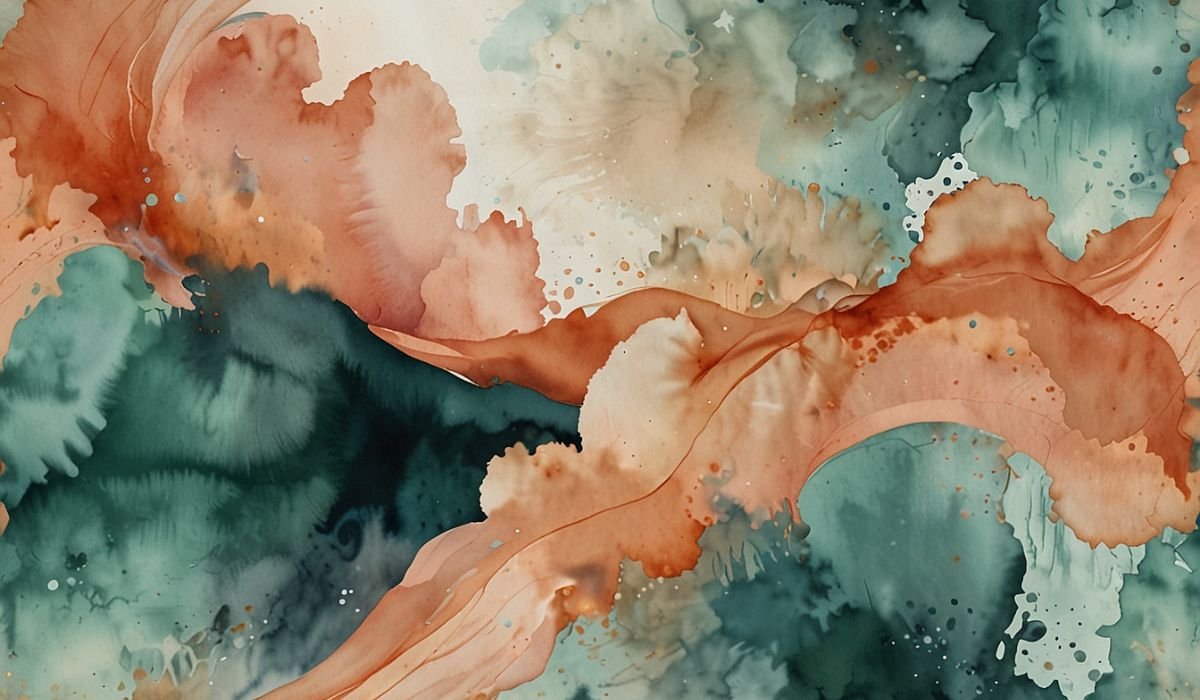
Think of Giniä as the linguistic equivalent of a perfectly blended watercolor wash – the boundaries are soft, the meaning emerges from the interplay of hues, and the overall effect is one of harmonious resonance. It’s not about what it is, but how it makes you feel.
Embrace the Nuance: Your Giniä Journey
Giniä invites us to play with language and perception. It’s a reminder that sometimes, the most powerful communication lies in suggestion and shared feeling, not strict definition.
Here’s what you can do next:
- Reflect: Where have you encountered something that felt subtly elegant, deeply resonant, and imaginatively unique? Could you describe it as “giniä”?
- Experiment: Consider if “Giniä” could serve as a name or descriptor for a personal project, brand idea, or artistic expression you’re nurturing.
- Notice: Start paying attention to other invented words or abstract terms used in branding and art. What feelings do they evoke? How do they build identity?
How will you invite a touch of Giniä into your world?
FAQs
- Is Giniä a real word?
- It’s a carefully crafted neologism (invented word), not found in traditional dictionaries. Its “reality” comes from its use and the meaning people赋予 (fùyǔ – bestow upon) it in creative contexts.
- How do you pronounce Giniä?
- Common pronunciations are “gin-ee-ay” (with a soft ‘g’ like ‘gin’) or “jin-ee-ah”. The diaeresis (ä) often suggests a separate vowel sound. Ultimately, the pronunciation that feels most resonant to you or your brand is valid!
- What does Giniä actually mean?
- It has no single, fixed dictionary meaning. Its power lies in evoking a sensibility – typically encompassing subtle elegance, emotional depth, imaginative quality, and nuanced aesthetic appeal. It’s about feeling, not definition.
- Can I use Giniä for my business/brand?
- Absolutely! Its abstract, brand-friendly nature makes it an excellent candidate for creative businesses, art ventures, lifestyle brands, or personal branding seeking a unique and evocative identity. Ensure your visuals and ethos align with its implied elegance and resonance.
- How can I use “giniä” in a sentence?
- As a descriptor: “The lighting in that cafe was so giniä – soft, warm, and incredibly calming.” Or, “Her poetry has a distinctly giniä quality, hauntingly beautiful.” As a name: “I launched my ceramic studio under the name Giniä.”
- Is Giniä related to any specific culture or language?
- As presented, Giniä is a stylized invention not explicitly tied to any existing language or culture. Its appeal is largely phonetic and conceptual. However, users might personally associate it with certain aesthetics or feelings inspired by various cultures.
- Why would I use an undefined word like Giniä?
- Precisely because it’s undefined! It allows for flexible interpretation, fosters emotional connection over literal meaning, creates a unique identity, and can express complex, subtle feelings that existing words might not fully capture. It’s a tool for nuance.
You may also like: Embracing a New Era of Wellness and Health in West Virginia